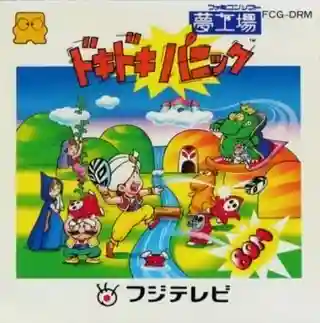
The game is a side-scrolling platformer with stage-based progression. Before each run, the player selects one of four characters, each with different jump, speed, and carrying traits. Core actions include moving, jumping, picking up vegetables or enemies, throwing objects, entering doors, and dropping through jars or wind currents into sub-areas. Stages often feature vertical transitions, hidden rooms, locked doors, and boss encounters, with keys and doors used to advance through the dream world.
Yume Kōjō: Doki Doki Panic
Family Computer Disk System
Login to use cloud saves
Login
Controls
These are the emulator defaults. You can remap them from the emulator menu.
PC Keyboard
Game Button
↑
UP
↓
DOWN
←
LEFT
→
RIGHT
Z
A
X
B
A
Y
S
X
Q
L
W
R
Enter
START
Shift
SELECT
Game-specific controls
No verified game-specific inputs or combos are available for this version yet.
Gameplay
Characters
Link
A balanced character with solid movement and offensive options.
Lina
A strong jumper suited to wide gaps and vertical routes.
Macho
A fast, powerful carrier who excels at throwing and pushing through stages.
Mama
A heavy character with reliable lifting and stable control on tricky terrain.
Strategy
Learn each character's movement differences before committing to a stage route. Use vegetables, enemies, and bombs as throwable weapons instead of forcing risky close combat. Explore doors, jars, and side areas thoroughly, since many secrets and extra items are hidden off the main path. In boss fights, patience matters more than aggression: watch the pattern, create space, and attack during openings.
Cheats
No cheats or unlockables available
Tips
Tips and tricks
- Throwing enemies is often safer than jumping directly on them.
- Check suspicious doors and side passages for hidden items and bonus routes.
- If a stage feels awkward, try another character with better jump or carry stats.
Comments
Loading...
How do you play Yume Kōjō: Doki Doki Panic online?
Start Yume Kōjō: Doki Doki Panic directly on this page with ClassicEmu. The emulator runs in your browser, so you can play online without installing a desktop emulator first.
Related Games
More games from nearby platforms and categories.